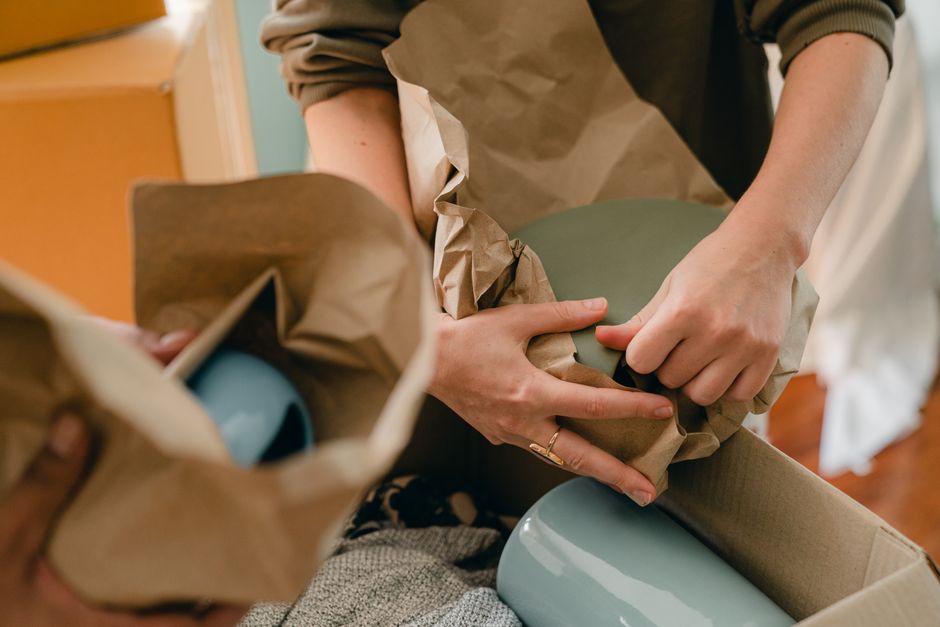
Packing Hazardous Items in Cudham: Safety & Licensing
Posted on 05/07/2026
Packing Hazardous Items in Cudham: Safety & Licensing
If you are getting ready to move in or around Cudham, hazardous items can be the part that slows everything down. Paint tins, cleaning chemicals, gas canisters, batteries, old aerosols, and garden products are easy to overlook until the day before the move. Then suddenly you are staring at half-full bottles under the sink and wondering what can travel, what should be disposed of, and whether a moving team needs special licensing.
This guide to Packing Hazardous Items in Cudham: Safety & Licensing breaks the process into clear, practical steps. You will learn what counts as hazardous, why careful packing matters, how licensing and compliance usually fit into the picture, and where people often trip themselves up. It is written for real moves, not textbook theory. And yes, a bit of common sense goes a long way here.
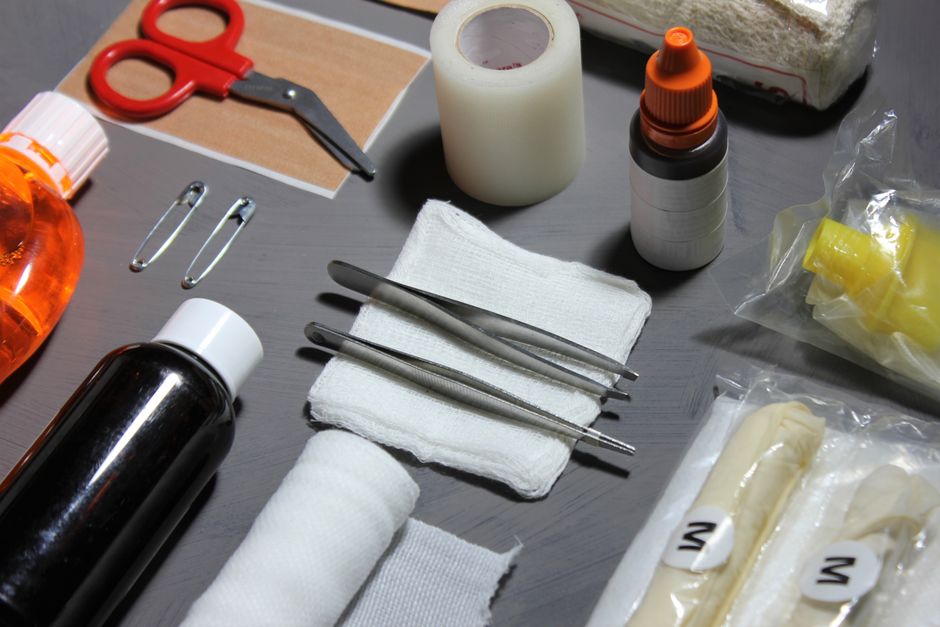
Why Packing Hazardous Items in Cudham: Safety & Licensing Matters
Hazardous items are not just awkward boxes. They can leak, react, ignite, corrode, or create fumes if they are packed badly or mixed with the wrong things. In a moving van, that risk multiplies because the load shifts, temperatures change, and containers can be knocked against each other. Even a small spill can stain furniture, damage flooring, or make the whole van smell like solvents for days. Not ideal, to say the least.
For a home move in Cudham, the issue is usually not dramatic explosions or cinematic danger. It is the quieter problems: a cracked bleach bottle inside a cardboard box, a loose battery bridging terminals, or an aerosol can stored next to heat-sensitive goods. Those mistakes are common, and they are exactly why safe packing habits matter.
Licensing matters too, but not in the simplistic way people sometimes assume. Not every removal job needs specialist dangerous goods transport permission, yet some items are restricted, some require declaration, and some should simply not travel with household belongings at all. A professional mover has to know where the line is. If they do not, that is a warning sign.
There is also the local side of it. Cudham moves often involve narrow lanes, limited parking, shared access, or timed loading windows. That means less room for error. You want the hazardous side of the move settled well before the van arrives, not sorted on the pavement with a tape gun in one hand and a worry on your face. Let's face it, nobody enjoys that scene.
How Packing Hazardous Items in Cudham: Safety & Licensing Works
The basic idea is simple: identify, separate, secure, label, and transport only what is appropriate. In practice, though, it takes a bit of judgement. Some items are safe to move if they are sealed and isolated. Others should be drained, disposed of, or handled by a specialist carrier.
Start by grouping items into broad categories. Common examples include:
- Flammable liquids, such as solvents, fuels, and some garden or workshop products
- Cleaning chemicals, including bleach, toilet cleaners, and drain treatments
- Aerosols and pressurised cans
- Paint, varnish, glue, and adhesives
- Batteries and battery-powered items
- Gas cylinders and cartridges
- Sharp, contaminated, or medically related waste
From there, check whether the item is actually worth moving. Some things are cheaper, safer, and simpler to replace. Others may be usable but need careful wrapping, upright storage, or a dedicated box. This is where a bit of pre-move sorting saves time later.
Licensing and compliance usually sit behind the scenes. If a removals company is moving household goods, they still need the right operational approach, proper insurance, staff training, and safe loading procedures. For certain waste or higher-risk materials, extra permissions or specialist handling may apply. The important thing for you as the customer is to ask clear questions before anything gets loaded.
If your move is part of a wider declutter, it helps to read practical decluttering advice before a move first. It can be much easier to decide what to keep when you are not staring at twenty half-used bottles of mystery liquid in a cupboard.
Key Benefits and Practical Advantages
When hazardous items are packed properly, you are not just reducing danger. You are making the whole move smoother. That sounds obvious, but in real life it is exactly what people notice once the stress has passed.
Here are the biggest benefits:
- Less risk of leaks and contamination - sealed, upright, well-separated items are far less likely to damage other belongings
- Faster loading and unloading - no one wants to stop mid-move and rework a badly packed box
- Better protection for the van and crew - avoiding exposure helps keep everyone safe
- Improved compliance - a more careful process reduces the chance of moving something that should not travel
- Lower replacement costs - you avoid ruined boxes, stained fabrics, or damaged wooden furniture
There is another benefit people underestimate: peace of mind. When the rest of the house is in chaos, knowing the hazardous items are under control gives you one less thing to think about. And on moving day, that is worth quite a lot.
For larger items and awkward furniture around these boxes, a good read is this guide to kinetic lifting, especially if you are trying to protect your back while shifting heavy, clumsy objects around the kitchen or shed.
Who This Is For and When It Makes Sense
This topic matters to more people than you might think. It is not only for workshop owners or tradespeople. Regular households in Cudham often have at least a few hazardous or restricted items tucked away somewhere.
You will benefit most from careful packing guidance if you are:
- Moving out of a family home with a garage, shed, or utility room full of products
- Relocating from a flat and trying to clear under-sink cupboards safely
- Moving student accommodation with leftover sprays, batteries, or kitchen chemicals
- Running a small local office or shop with cleaning supplies or maintenance products
- Handling a same-day move and need to sort essentials quickly without overlooking safety
It also makes sense if you are unsure whether a mover will accept certain items. In that case, the best approach is simple: ask in advance, be specific, and do not assume. Is it a sealed household product? Is it pressurised? Is it corrosive? Does it need upright storage? Those questions matter.
If your move is particularly fast-moving, the page on same-day removals in Cudham is useful context for how time pressure changes packing priorities. Hazardous items and rushing do not mix well, honestly.
Step-by-Step Guidance
Here is a straightforward process you can follow without overcomplicating things.
- Walk the property room by room. Check kitchens, bathrooms, garages, sheds, offices, utility cupboards, and outside storage. Hazardous items hide in plain sight.
- Create three groups. Keep, dispose of, and ask the mover. That last category is for anything you are unsure about.
- Read labels carefully. Look for warnings such as flammable, corrosive, toxic, oxidising, or pressurised. If the label is missing or damaged, treat the item cautiously.
- Keep original containers where possible. They are designed to hold the product and usually include safety information. Decanting into old bottles is asking for trouble.
- Seal lids and openings properly. Use tape only where it does not block required warnings or create a new hazard.
- Separate incompatible items. For example, do not bundle cleaners and fuel-based products together just because they fit neatly in one box. Neat is not always safe.
- Use sturdy secondary containment. A plastic tray or lined box can catch small leaks better than cardboard alone.
- Pack items upright and cushion them. A bottle that tips over in transit is more likely to leak.
- Mark the box clearly. Use plain labels so anyone handling it knows it contains sensitive or hazardous contents.
- Keep these items accessible. Do not bury them under mattresses, boxed books, or heavy furniture.
- Confirm transport rules with the mover. Before loading starts, make sure everyone agrees on what is going and what is not.
If you are also packing the rest of the property, it may help to review efficient packing techniques for a home move. Good general packing habits usually make hazardous packing easier too.
Expert Tips for Better Results
A few small habits make a big difference here. They are not flashy, just effective.
1. Deal with liquids first. In our experience, leaks cause more hassle than almost anything else. If a container looks weak, dented, or sticky around the lid, do not trust it.
2. Keep batteries separated. Loose batteries can short if they touch metal objects or each other. Tape over terminals where appropriate and keep them in a dedicated container.
3. Avoid overfilling boxes. Heavy chemical cartons become awkward fast, and a torn box is the last thing you want under pressure.
4. Use daylight to inspect items. It sounds basic, but at dusk or under a yellow bulb, labels are easier to miss. A quick look in good light can save a mistake.
5. Build in a disposal plan. If you know something should not be moved, do not wait until the van is outside to decide what to do with it.
6. Keep children and pets out of the area. That sounds obvious, and yet people forget once the packing starts. One open bottle on the floor is all it takes.
If you are moving bulky furniture at the same time, the article on lifting heavy objects safely is a solid companion piece, especially if you are trying to work around a tight hallway or a cluttered utility room.
One small but useful truth: a "nearly empty" container still counts as hazardous. Nearly empty is not empty. That phrase has caused enough arguments over the years.
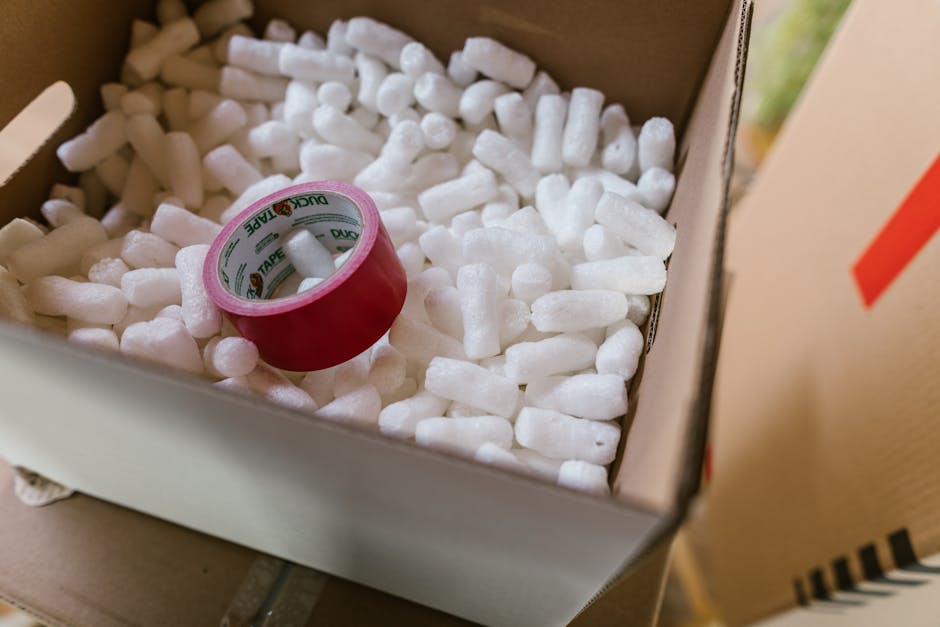
Common Mistakes to Avoid
Most problems come from trying to be efficient in the wrong way. People bundle things together, assume a product is harmless, or leave sorting until the final hour. That is where trouble begins.
- Mixing products in one box - especially cleaners, fuels, and aerosols
- Using damaged or soft packaging - old cardboard and wet boxes fail at the worst moment
- Leaving lids loose - a tiny seep can spread across the whole box
- Ignoring "do not move" items - some materials are better disposed of than transported
- Throwing away labels - if someone else handles the box, they need to know what is inside
- Assuming the removals crew will sort it all - safe packing starts with you
Another common slip is forgetting that household items can become hazardous after damage. A cracked spray can, split paint tin, or leaking freezer pack can create a mess even though it looked harmless a minute earlier. That is why a final inspection matters.
If you are pairing the move with a wider home reset, decluttering before a move can help you strip out obsolete products before they ever reach the packing stage. A little ruthless, perhaps, but very effective.
Tools, Resources and Recommendations
You do not need specialist lab equipment to pack hazardous household items properly. You do need the right basics and a calm process. Nothing glamorous, just practical gear that behaves when loaded into a van.
- Sturdy boxes with intact bottoms
- Heavy-duty tape
- Sealable plastic tubs or trays
- Absorbent material for minor leaks
- Permanent marker for clear labels
- Disposable gloves for handling unknown residue
- Small zip bags for batteries or loose fittings
- Old towels or padding for stabilising containers
For items that are too awkward to leave loose, smaller packing systems usually work better than one oversized box. That is especially true for mixed utility-room contents. A large crate filled with cleaning products, tape rolls, bulbs, and loose screws sounds tidy, but it can become a jumble pretty quickly.
If you are using storage as part of the move, have a look at storage options in Cudham and think carefully about whether hazardous items should even go into storage at all. Many should not, and if they do, they may need a separate conversation with the storage provider.
For homes where large furniture is also being protected, the article on sofa storage advice is a good reminder that packaging is not only about safety. It is also about keeping materials clean, dry, and stable.
Law, Compliance, Standards, or Best Practice
In the UK, hazardous goods and waste sit in a regulated space, but the exact rules depend on the item, how it is packaged, and how it is being transported. That is why you should treat legal compliance as a practical question rather than a guess. If a mover says something is fine without checking what it actually is, that is not good enough.
For households, the main duty is to pack responsibly, disclose anything unusual, and avoid passing on items that are unsafe to transport. For moving companies, the duty is broader: staff training, proper handling, insurance, correct vehicle use, and compliance with relevant transport and waste requirements. Licensing can become relevant where waste carriage or special materials are involved.
Best practice usually includes:
- Keeping items in original containers where possible
- Not mixing incompatible chemicals
- Using secure upright packing
- Separating anything pressurised, flammable, corrosive, or toxic
- Checking whether specialist handling is needed
- Documenting what is being moved if there is any doubt
There is one more point that matters locally. A good mover should have a clear health and safety approach and sensible insurance practices. That does not mean they will move everything under the sun. It means they know where the limits are and act accordingly.
Compliance is not about being over-fussy. It is about avoiding the sort of incident that ruins a move and creates bigger problems later. That is the simple version, and honestly it is the one worth remembering.
Options, Methods, or Comparison Table
Not every hazardous item needs the same handling method. Some can travel in a controlled household load. Others are better disposed of or handled separately. Here is a plain comparison to help with decision-making.
| Item Type | Typical Risk | Best Approach | Move or Dispose? |
|---|---|---|---|
| Cleaning chemicals | Leaks, fumes, reaction with other products | Keep sealed, upright, and separated | Move if secure and accepted |
| Paint and varnish | Spills, odour, flammability | Original tins, cushioned, isolated | Move only if stable and permitted |
| Aerosols | Pressure, puncture risk, heat sensitivity | Store away from heat and impact | Case-by-case |
| Batteries | Short circuits, leakage | Separate terminals and isolate | Often movable if controlled |
| Gas cylinders | Pressure, serious safety risk | Specialist advice required | Often not suitable for a standard move |
| Old fuel or solvents | Fire and vapour risk | Do not mix, do not improvise | Usually dispose of safely |
The comparison is helpful, but it is not a substitute for asking the right question: "Is this item suitable for standard removal transport?" If the answer is uncertain, stop there and clarify it before the van arrives.
For households with awkward corners, narrow paths, or a lot of furniture to shift around these boxes, you may also find furniture removals support in Cudham useful when planning the broader move. It is easier to separate risky items when the rest of the job is well organised.
Case Study or Real-World Example
A typical Cudham move might start with a utility cupboard that nobody has opened properly in years. Inside you find half-used bleach, a nearly empty drain unblocker, an old tin of wood stain, three loose batteries, and two aerosols rolling around behind the mop bucket. Nothing dramatic. Just the kind of thing people forget because it sits in the background quietly for months.
In that kind of situation, the best result usually comes from slowing down for ten minutes and sorting the cupboard before any boxes are sealed. The household can then separate items into three groups: safe to move, needs checking, and should be disposed of. The mover is told about the checked items in advance, and only the secure ones are loaded.
That simple pause makes the rest of the day easier. No one is opening a box on the driveway to inspect a leaking bottle. No one is arguing about whether a cracked spray can is "probably fine." And no one has to mop the back of the van at the end of the day. Small mercy, really.
If the move also involves a tight loading area or awkward access in the village, the guidance on narrow-access van tips for Cudham Lane North is worth reading alongside your packing plan. Access and safety often affect each other more than people expect.
Practical Checklist
Use this as a final pre-move sweep before anything hazardous is loaded.
- Check kitchens, bathrooms, sheds, garages, lofts, and utility rooms
- Separate flammables, corrosives, aerosols, batteries, and gases
- Keep products in their original containers where possible
- Throw away damaged, rusty, or leaking containers safely
- Do not mix incompatible substances
- Use upright, cushioned packing for liquids
- Label boxes clearly and plainly
- Tell the removals team about anything unusual in advance
- Confirm whether the item is accepted for transport
- Keep people and pets away while sorting
- Prepare a disposal route for anything unsuitable to move
- Double-check that no hazardous items are buried in general boxes
It sounds simple, but this checklist catches a lot. More than you might think.
Conclusion
Packing hazardous items in Cudham is less about being dramatic and more about being careful, organised, and honest about what should travel. The safest moves are the ones where people sort early, label clearly, and ask questions before problems happen. That is especially true when licensing, insurance, and transport rules could come into play.
If you remember one thing, make it this: do not treat hazardous items like ordinary clutter. They deserve a separate plan, even if the rest of the move is going smoothly. A few minutes of care now can save damage, stress, and awkward surprises later.
Get a free quote today and see how much you can save.
And if you are still in the middle of planning, take it one step at a time. Safe moves are built from small decisions made well. That part never really changes.