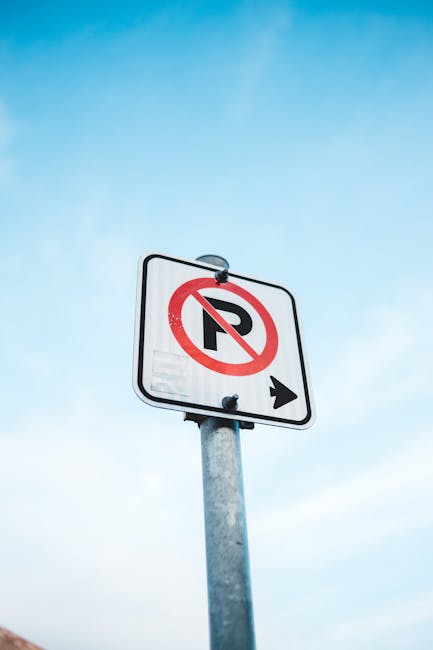
Cudham Lane South Parking Rules and Fine Risks
Posted on 02/06/2026
Cudham Lane South Parking Rules and Fine Risks: A Practical Local Guide
If you are planning a move, a delivery, or even a quick drop-off in Cudham, parking on Cudham Lane South can feel oddly stressful. One minute you are trying to unload a sofa, the next you are wondering whether you have tucked the van into a legal bay or quietly wandered into a fine risk. That is exactly why understanding Cudham Lane South Parking Rules and Fine Risks matters before wheels hit the kerb.
This guide breaks the issue down in plain English. You will learn how parking restrictions typically work in a residential lane like this, what can trigger a penalty, how to reduce risk when loading or unloading, and how to plan a smoother visit. We will also cover the practical side of moving day, because let's face it, parking is rarely the only thing going on when a van is full and the clock is ticking.
For readers preparing a house move or bulky furniture delivery, the right planning can save time, money, and a lot of faff. If you are already organising the rest of the move, you may also find it helpful to read about efficient packing for a home move, or, if the job is a bit heavier than expected, the practical advice in discovering the concept of kinetic lifting.
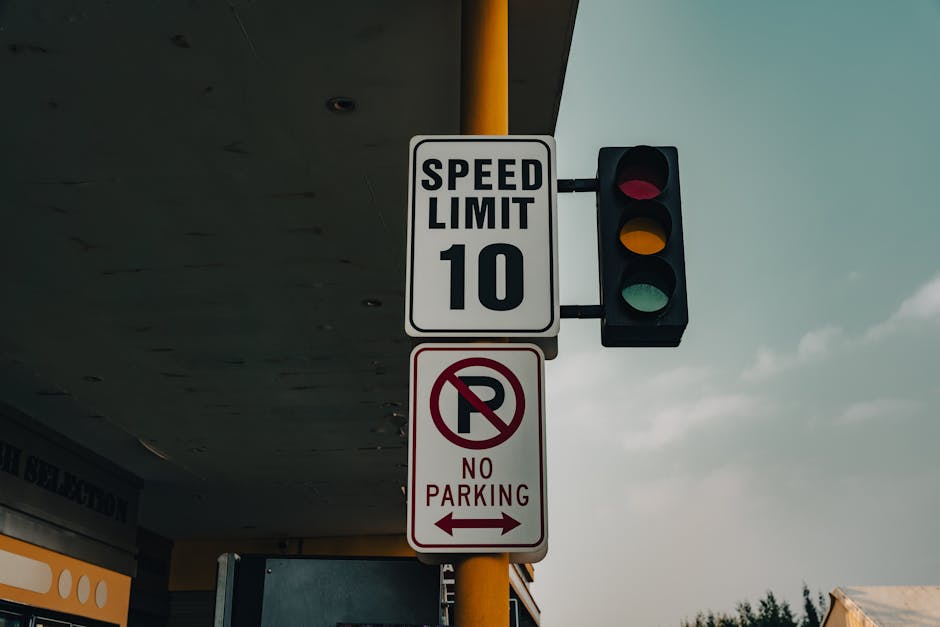
Why Cudham Lane South Parking Rules and Fine Risks Matters
Cudham Lane South is the kind of road where parking mistakes can snowball quickly. A van that is just slightly too far across a driveway, a car left in a place that blocks traffic, or a long unload that looks like "stopping" rather than "loading" can all create problems. Even when nobody is trying to cause trouble, the wrong setup can lead to complaints, enforcement attention, or a frustrated neighbour stepping out of their gate with that unmistakable look.
The risk is not just the fine itself. There is the knock-on effect too: delayed unloading, extra lifting, damaged items, stress between neighbours, and the possibility of having to move the vehicle at the worst possible moment. In our experience, the cost of a small planning mistake on a narrow or constrained lane often shows up later as wasted time and avoidable strain. That is especially true when you are dealing with furniture, mattresses, white goods, or several people all waiting to get inside at once.
This matters for homeowners, tenants, movers, delivery drivers, students, and anyone using a man with a van in Cudham. If the access is tight, the vehicle is larger than expected, or the road is already busy, parking becomes part of the job rather than an afterthought. And honestly, it is usually the bit people wish they had sorted earlier.
Key takeaway: On Cudham Lane South, the best parking strategy is usually the one that protects access first, keeps loading time efficient, and avoids relying on luck.
How Cudham Lane South Parking Rules and Fine Risks Works
Parking rules in a local lane typically come from a mix of road markings, signs, access considerations, and general highway expectations. The practical question is not just "Can I stop here?" but "Can I stop here without blocking someone, creating a hazard, or breaching a restriction?" That distinction matters more than most people expect.
For example, a place that looks empty may still be unsuitable if it obstructs a dropped kerb, narrows the carriageway, or sits inside a clearly marked restriction. Likewise, loading may be allowed in some circumstances, but only if it is genuine loading and unloading, not a long pause while everyone chats, checks messages, or hunts for keys. Truth be told, enforcement teams and complaints do not usually care that you were only "gone for a minute."
On a road like Cudham Lane South, fine risks often arise from the same familiar pattern:
- Stopping where restriction signs apply and assuming the vehicle is too small to matter.
- Blocking access to driveways, gates, or turning space.
- Leaving the van in a live traffic line while loading is still underway.
- Using a bay or verge casually without checking whether it is permitted.
- Overstaying a loading position after the active work has finished.
If you are handling a bigger move, it helps to think of parking as part of the overall logistics plan. That is why guides like narrow-access van tips for Cudham Lane North moves can still be useful, even if you are on the South side, because the access issues are often similar: limited space, careful positioning, and very little room for error. You can also compare planning styles in the Cudham Village Hall loading and parking guide, which shows how local loading decisions affect timing and risk.
One simple way to think about it: if the van is parked in a way that makes the road safer and the loading faster, you are probably moving in the right direction. If it feels awkward, rushed, or a bit "we'll just see," that is usually your cue to rethink.
Key Benefits and Practical Advantages
Following the right parking approach on Cudham Lane South is not only about avoiding a ticket. It also changes the whole tone of the move or delivery. The job feels calmer, more predictable, and less exposed to last-minute chaos. Small win, but a real one.
- Lower fine risk: You reduce the chance of penalty notices, complaints, or enforcement action.
- Faster loading and unloading: The van is positioned close enough to matter, but safely enough to stay out of trouble.
- Less damage to items: Fewer long carries means fewer knocks on furniture, walls, and doorframes.
- Safer working conditions: People are not crossing traffic repeatedly or lifting awkward items from a bad angle.
- Better neighbour relations: A neat, respectful setup usually causes less friction.
- Less stress for everyone: You are not juggling parking panic on top of moving-day pressure.
There is also a commercial advantage. If you are paying for a removal crew, the clock matters. Every minute spent circling for a legal stop is a minute not spent moving your belongings. That is why services such as removals in Cudham or a flexible same-day removals service can be useful when timing is tight and parking needs to be planned with care.
Put simply, good parking is one of those invisible decisions that makes the rest of the day feel ten times easier. You barely notice it when it goes well, which is exactly the point.
Who This Is For and When It Makes Sense
This guidance is useful for anyone who needs to stop a vehicle on or near Cudham Lane South for practical work. That includes households moving in or out, renters with limited access time, students carrying boxes, delivery drivers, and tradespeople with bulky kit. If you are moving a wardrobe, fridge, bed frame, or awkward sofa, the parking decision can affect the whole schedule.
It makes particular sense if any of the following apply:
- You are using a larger van and need close access.
- The move involves heavy or fragile items.
- You are working to a tight slot for keys, check-in, or handover.
- You expect limited turning space or on-street congestion.
- You want to avoid repeated long carries between the property and the vehicle.
Some situations call for a more careful setup than others. A single box drop is one thing. A full flat move with furniture, bedding, and packed kitchenware is another. If that sounds familiar, you may also want to review flat removals in Cudham or broader house removals in Cudham support, especially where access and timing are both touchy.
To be fair, the people who usually benefit most from this advice are the ones who thought they could "just park outside." That plan often works right up until it doesn't. Then the wheels really start to come off, literally and emotionally.
Step-by-Step Guidance
Here is a practical way to approach parking on Cudham Lane South without overcomplicating it.
- Check the immediate surroundings before you stop. Look for signs, markings, dropped kerbs, and obvious access points. Take a slow lap if needed instead of making a snap decision.
- Decide whether you are loading or just visiting. If you are actively moving items, keep that activity continuous. If not, do not assume the stop is okay just because you are only "there briefly."
- Plan the unloading order before the van arrives. Put the first items near the door, not under three layers of everything else. That saves time and reduces how long the vehicle needs to stay positioned.
- Assign roles before you park. One person opens doors, one person guides the vehicle, and one person handles the first items if possible. It sounds obvious. Still gets missed.
- Keep the route clear. Make sure walkways, gates, and the pavement edge are not cluttered. You want a clean path from van to property.
- Move quickly but safely. The aim is efficient loading, not a frantic sprint. A rushed lift is where people hurt backs and drop things.
- Reassess if the job takes longer than expected. If your parking position is starting to cause friction or obstruction, adjust early rather than waiting for trouble.
If you are handling furniture, timing, and awkward angles all at once, the physical side matters just as much as the parking side. A useful companion read is solo techniques for lifting heavy objects, though, ideally, you would not be carrying that chest of drawers alone at all. No hero points for a slipped grip.
One more practical note: if the job is only partly complete, do not leave the van in a position that looks abandoned. In the real world, a vehicle that appears unattended is more likely to attract attention than one with an active, visible loading routine.
Expert Tips for Better Results
The easiest way to reduce parking risk is to treat the move like a timed sequence, not a casual stop. That shift in mindset helps more than people realise.
- Arrive with the van facing the exit. It saves time if you need to leave quickly and makes repositioning easier.
- Keep unloading items grouped by room. That way, the first trip is efficient and you are not opening doors repeatedly for one forgotten kettle.
- Use protective materials early. Blankets, wraps, and mattress covers reduce damage and delay. A battered item often slows the whole team down.
- Don't overload the first carry. It is tempting to grab three things at once. Sometimes that ends badly, and nobody needs that drama on a wet Tuesday morning.
- Work from the vehicle outward. If the item is near the exit, it gets unloaded first. This keeps movement smooth and avoids bottlenecks.
- Keep a person outside the vehicle when visibility is poor. Especially on a narrow lane, guidance from the ground can prevent awkward shuffles and near misses.
If you are moving something delicate, like a piano or a sofa in storage, the planning should be even tighter. You may find the advice in moving a piano with professionals useful, or the guidance on protecting a sofa during extended storage if you are dealing with mixed logistics.
Expert tip, and it is a simple one: leave yourself more margin than you think you need. Parking stress tends to increase when people plan for the best case only. Roads have a way of correcting that optimism.
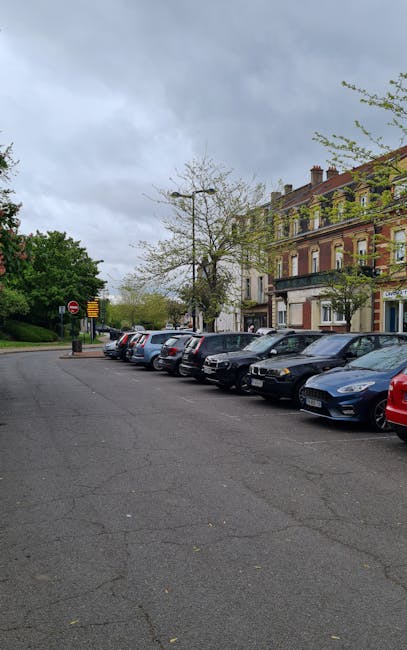
Common Mistakes to Avoid
Most parking problems on narrow residential lanes come from a handful of avoidable mistakes. Once you know them, they look pretty obvious. Before that, though, they are very easy to repeat.
- Assuming the van is too small to matter. Size helps, but it does not cancel access issues.
- Parking with one wheel on a verge or footway without checking permission. It may seem clever in the moment and regrettable later.
- Leaving the vehicle while "just doing a quick run inside." Quick often turns into not so quick.
- Blocking a dropped kerb or driveway. That is the sort of thing that can trigger immediate frustration.
- Starting the unload without a route plan. People end up carrying items back and forth because the door sequence was never thought through.
- Ignoring weather and light. A dark, wet evening changes the risk picture completely. The pavement gets slick, sight lines go down, and people rush.
There is also a quieter mistake: failing to prepare the house itself. If the hallway is cluttered, the route to the van gets slower and riskier. A little decluttering helps more than you might think. Have a look at decluttering before a move if you want a calmer start. And if the place needs a proper clean-out before handover, the guide on house cleaning before moving out is a solid companion piece.
Another common slip? People leave packing until the final hour, then wonder why the van is delayed. It is, frankly, a bit of a classic.
Tools, Resources and Recommendations
You do not need a complicated toolkit to make Cudham Lane South parking safer. You need a few sensible items and a steady process.
| Tool or Resource | Why It Helps | Best Used For |
|---|---|---|
| High-visibility vest or jacket | Improves visibility when guiding a vehicle | Early morning, dusk, poor weather |
| Furniture blankets | Protects surfaces during quick transfers | Sofas, tables, cabinets |
| Trolley or sack truck | Reduces carries and speeds movement | Boxes, appliances, heavier items |
| Mattress cover | Keeps bedding clean and dry | Bed moves and storage |
| Packing labels | Reduces confusion and wasted trips | Room-by-room unloading |
| Phone flashlight | Helps identify hazards and markings in low light | Evening or winter loading |
In terms of broader moving support, a few local pages can help you line up the rest of the job neatly. If you are moving bulky household items, browse furniture removals in Cudham. If you are still comparing service styles, man and van in Cudham and removal van in Cudham can help you judge what level of support fits the access situation.
For planning the wider move, this is also where a practical packing partner can make a real difference. A well-packed van takes less time to load and leaves less chance of items shifting around while you are trying to park cleanly.
Law, Compliance, Standards, or Best Practice
Without inventing anything specific to this road, the safest approach is to follow the general UK parking and loading principles that apply everywhere: obey signs and markings, avoid obstruction, keep access routes clear, and do not assume a short stop is automatically allowed. If a restriction looks unclear, treat it cautiously rather than optimistically.
For businesses, removals teams, and delivery operators, there is also a duty of care angle. Safe working practice usually means planning for access, managing manual handling risks, and making sure people are not forced into unsafe lifts because the van was parked badly. That is where good internal standards matter. Pages such as health and safety policy, insurance and safety, and terms and conditions are worth reviewing if you want the whole service picture to feel more transparent.
Best practice is usually simple: keep the vehicle as close as practical, but never at the expense of access, visibility, or lawful parking. If the choice is between a slightly longer carry and a risky stop, the longer carry is usually the better option. Not glamorous, but very sensible.
If you are interested in the operational side of a local removals provider, you can also read more about services overview and the company background on about us. That helps build confidence when the job has time pressure and there is no room for guesswork.
Options, Methods, or Comparison Table
There is usually more than one way to handle parking on Cudham Lane South, but not every method is equally practical. Here is a simple comparison of common approaches.
| Approach | Pros | Cons | Best For |
|---|---|---|---|
| Park as close as possible to the property | Shortest carries, faster unloading | Higher risk if restrictions or access are tight | Carefully checked situations with clear space |
| Park slightly further away in a safer legal position | Lower fine risk, fewer complaints | Longer carries, more physical effort | Busy periods or uncertain restrictions |
| Use a smaller vehicle | Easier to position, often less obstructive | May require more trips | Small moves or awkward access |
| Stage items and load in phases | Reduces time parked in one spot | Needs planning and discipline | Moves with many items or multiple helpers |
Which is best? Usually the one that balances legality, safety, and the actual volume you are moving. People often assume the closest space is the smartest choice. Sometimes it is. Sometimes it is the one that causes the most trouble. You have to read the road, not just the map.
If access is really constrained, it may also be worth comparing the overall economics of different move types. The piece on Cudham removals versus Orpington moves gives a useful local angle on how geography and logistics can affect cost and convenience.
Case Study or Real-World Example
Here is a realistic example based on the sort of scenario people run into all the time.
A couple moving out of a first-floor flat on a narrow stretch of Cudham Lane South expected to use the space immediately outside the property. On arrival, they found a car already parked close to the entrance and the available space felt too tight for a large van. Instead of forcing the issue, they parked a little further down in a safer position, walked the first load of boxes, and used a trolley for heavier items. It meant a few extra minutes of carrying, but it avoided blocking access and kept the unloading calm.
The difference was not dramatic in the moment. Nobody celebrated. No brass band appeared. But the day went smoothly, the neighbours stayed relaxed, and the move finished without a warning note, an argument, or a stressed-out driver trying to squeeze out of a bad spot.
That is the real lesson. Good parking does not always look impressive. It just quietly prevents problems.
If the items are awkward or valuable, planning becomes even more important. For example, a piano move needs specialist handling, and a mattress or bed base needs care to avoid damage during the carry. Related practical guides such as moving your bed and mattress can help you prep the load before the van even arrives.
Practical Checklist
Use this checklist before you stop on Cudham Lane South:
- Check for parking restrictions, signs, and road markings.
- Confirm you are not blocking a driveway or dropped kerb.
- Plan the loading order before opening the rear doors.
- Make sure the route from property to van is clear.
- Use a spotter if visibility is limited.
- Keep loading activity continuous if you are relying on a loading stop.
- Have protective covers, trolleys, and gloves ready.
- Keep keys, tape, labels, and paperwork close to hand.
- Reassess the position if the stop starts to feel unsafe or awkward.
- Leave the area tidy and accessible when you are done.
If you want the rest of the move to feel a bit less frantic, it is worth pairing this checklist with broader preparation. For example, moving house stress-free has some helpful groundwork, while efficient packing advice can cut the number of unnecessary trips to and from the van.
And if your move has become a bit last-minute, which happens more than people admit, a flexible option like same-day removals in Cudham may be worth considering. Just remember: rushed does not have to mean careless.
Get a free quote today and see how much you can save.
Conclusion
Cudham Lane South parking is not something to shrug off and hope for the best. It sits right at the point where legality, convenience, neighbour relations, and moving-day logistics all meet. Get it wrong, and even a small stop can become a hassle. Get it right, and the whole job feels smoother from the first lift to the last door shut.
The safest habit is simple: check the road carefully, plan the load properly, and choose the parking position that protects both access and compliance. That approach keeps fine risks down and makes the physical work easier too. Which, to be fair, is what most people actually want.
If you are organising a move, a delivery, or a bulky furniture run, a little preparation on parking can save a lot of stress later. Slow down at the start, and the rest often falls into place. Funny how that works.