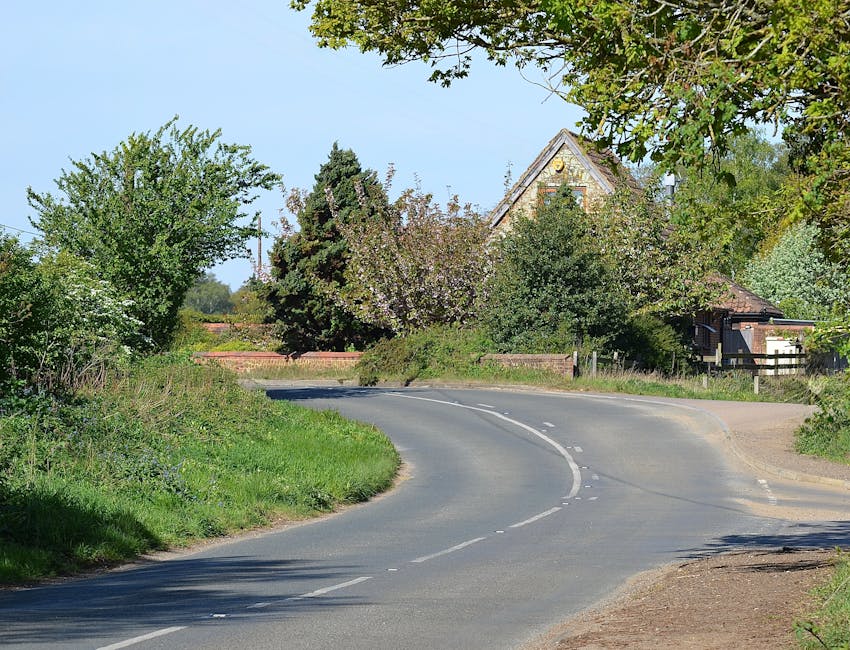
Case Study: 3-Bed Cudham Cottage Move Under Narrow Lanes
Moving a three-bedroom cottage is rarely a simple lift-and-shift job, and once narrow lanes enter the picture, the whole move changes character. The biggest challenge is often not the packing or the loading; it is the access. Tight bends, hedges brushing the van, parked cars, single-track sections, soft verges, and neighbours who quite rightly do not want a blockage outside their gate can turn a standard house move into a careful little operation.
This case study looks at the practical side of a 3-bed Cudham cottage move under narrow lanes, what makes that sort of move different, and how to plan it without stress swallowing the day whole. If you are comparing moving options, thinking about access, or trying to decide whether a house removals service is enough or whether you need a more flexible man and van approach, this guide should give you a much clearer picture. Let's face it, one wrong vehicle choice can cost far more time than anyone expects.
It is written for homeowners, landlords, tenants, and anyone who has looked at a rural or semi-rural property and thought, "Right... how exactly does a van get in there?"
Table of Contents
- Why This Kind of Move Matters
- How the Move Works in Practice
- Key Benefits and Practical Advantages
- Who This Is For and When It Makes Sense
- Step-by-Step Guidance
- Expert Tips for Better Results
- Common Mistakes to Avoid
- Tools, Resources and Recommendations
- Law, Compliance, Standards, or Best Practice
- Options, Methods, or Comparison Table
- Case Study or Real-World Example
- Practical Checklist
- Conclusion
- Frequently Asked Questions
Why Case Study: 3-Bed Cudham Cottage Move Under Narrow Lanes Matters
Narrow-lane moves are not just "a bit tricky". They fundamentally affect route planning, vehicle choice, timing, and even how you stack the van. A cottage move in Cudham, with its likely mix of older access points, tighter village roads, and limited turning space, asks for a different mindset from a normal suburban relocation.
Why does that matter? Because access problems are usually the bit that causes delays, not the actual lifting. A sofa can be wrapped, carried, and loaded neatly. But if the vehicle cannot safely reach the property, or if it has to stop too far away, the whole job becomes longer, messier, and more physically demanding. You then need more carrying distance, more shuttle runs, and more people energy. That is where people get tired, and tired people make mistakes. Simple as that.
For a three-bedroom property, the volume is often enough to justify organised planning rather than a last-minute scramble. Bedrooms, wardrobes, beds, mattresses, kitchen items, garden tools, and the usual boxes of "I'll sort that later" all add up. In a narrow-lane setting, the planning threshold matters even more because the access constraints can be more important than the item count.
Expert summary: The real issue in a narrow-lane cottage move is not just the size of the home. It is the combination of property volume, vehicle access, timing, and safe loading. Get those four things right, and the move feels controlled rather than chaotic.
If you are still at the "just getting quotes" stage, it is worth looking at pricing and quotes early, because a difficult-access move can only be priced properly when the access details are clear. A vague postcode and a hopeful voice note do not tell the whole story, unfortunately.
How Case Study: 3-Bed Cudham Cottage Move Under Narrow Lanes Works
In practice, a move like this starts well before moving day. The first job is to understand the access route from the main road to the cottage itself. That usually means checking lane width, sharp bends, overhead branches, passing places, surface condition, and where the van can legally and safely stop. If you have ever driven down a lane and thought, "I really hope nothing comes the other way," you already know the mood.
From there, the mover decides the best approach. Sometimes a smaller van is ideal because it can get closer to the property. In other cases, a larger vehicle is still the better option, but the team may need to stage the move by parking in a more accessible spot and carrying items the final distance. There is no one-size-fits-all answer here.
A good operation will also factor in the contents of the home. A 3-bed cottage often includes awkward pieces such as antique dressers, narrow staircases, heavy oak furniture, or garden items that seem to breed in the shed. Those pieces need the right wrapping, lifting technique, and route through the property. The move is not just about getting the item out; it is about getting it out without scraping walls, damaging banisters, or trapping someone on a tight corner.
Communication is a big part of it too. The customer should know when the vehicle is arriving, where it will stop, and whether any temporary carrying help or extra packing support is needed. In many cases, teams that offer packing and unpacking services can reduce the pressure dramatically. A well-packed box is far easier to move through a narrow lane setup than a half-sealed one full of loose items and nerves.
A useful, real-world detail: when access is tight, the loading order matters more than usual. You do not just fill the van by room; you fill it by balance and accessibility. Heavier items go in first. Fragile items are secured last but positioned with care. The result is less shifting in transit, and fewer headaches when the vehicle reaches the new property.
Key Benefits and Practical Advantages
There are some very real advantages to handling this sort of move with a specialist mindset. The biggest one is reduced risk. Narrow lanes create very specific risks: vehicle damage, property damage, blocked access, and unnecessary lifting distances. A planned approach lowers all of them.
- Better access planning: You know in advance whether the van can reach the cottage or needs to stop short.
- Less wasted time: Clear route planning prevents slow reversals, awkward turns, and avoidable shuttling.
- Safer lifting: The team can manage load distribution and carrying distance properly.
- Lower damage risk: Narrow lanes are unforgiving; good preparation protects walls, doors, wheels, and mirrors.
- Smoother customer experience: The move feels calmer when everyone knows the plan.
Another benefit is flexibility. A local man with van removal service can often adapt more easily to the oddities of village access than a rigid, oversized setup. That does not automatically make it the right choice, but it is a real advantage when the lane is the main challenge.
And then there is the emotional benefit, which people sometimes underestimate. If you are already dealing with completion dates, school runs, and the general life admin that comes with moving house, having someone else think through the awkward bits is a relief. You feel it in your shoulders, honestly. The tension drops a notch.
Who This Is For and When It Makes Sense
This kind of move is a strong fit for anyone relocating from a property with restricted access. That includes cottages on rural lanes, older terraces with narrow approaches, homes with no proper turning space, and properties where parking is only available some distance away.
It makes particular sense if:
- the road to the property is too narrow for a standard large removal truck;
- there are bends, hedges, or parked cars that make reversing awkward;
- you have a mixture of bulky furniture and fragile household items;
- you want fewer handling steps between door and vehicle;
- you need help deciding whether to use one larger load or several smaller runs.
It also makes sense for people who want a balance between cost and support. In some cases, a full-service house move is the safest option. In others, a simpler removals setup may be perfectly adequate, especially if the packing is already done and the lane demands a compact vehicle.
There is a small judgment call here. If the move is straightforward inside the house but difficult outside it, the access problem becomes the main decision point. If the access is easy but the contents are complex, then the packing and handling side matters more. That sounds obvious, but people do sometimes pick a service based on the wrong problem.
Step-by-Step Guidance
Here is a practical way to approach a cottage move where the lanes are the real issue.
- Assess the access early. Look at the lane width, any passing places, and where a van can stop without causing problems.
- Describe the property accurately. Mention floors, stairs, garden access, sheds, and anything awkward about the layout.
- Match the vehicle to the route. A smaller vehicle may be better if road width is limited, even if the contents would fit a larger one.
- Pack with the carry distance in mind. Use smaller, stronger boxes for the longest carries. Nobody wants a box bottom giving way halfway down a lane.
- Prepare a loading plan. Decide which items need to be loaded first and which should be last for protection and balance.
- Protect the property. Door frames, floors, and tight corners should be considered before anything is lifted.
- Keep communication open on moving day. If traffic, parked cars, or weather change the plan, act early rather than late.
- Inspect the final load. Make sure items are stable, straps are secure, and nothing can slide during the drive.
If you are using professionals, ask how they would handle the access before you book. A useful team will not just say "yes, no problem." They will explain what they expect, what they need from you, and what happens if the lane is narrower than it looks on paper. That kind of plain speaking is worth a lot.
Expert Tips for Better Results
In our experience, the best narrow-lane moves are not the ones with the fanciest kit. They are the ones where someone made sensible decisions early. A few practical tips can make a big difference.
- Walk the route on foot if possible. It sounds basic, but seeing the lane as a pedestrian often reveals the pinch points.
- Use fewer, stronger boxes. That reduces handling and keeps fragile items safer.
- Label by room and priority. It helps the unload happen in a smoother sequence.
- Keep a "first night" box separate. Kettle, mugs, chargers, toiletries, bedding. You know the drill.
- Plan for weather. A wet lane is a different beast from a dry one, especially with slippery shoes and muddy verge edges.
- Leave turning space where possible. Even one parked car in the wrong spot can change the whole manoeuvre.
One thing people forget: the arrival at the new property matters as much as the departure. If the unload point is also tight, you may need the same level of care on both ends. A move is a two-site operation, not one. That sounds obvious too, but the day has a habit of making people focus on the first half only.
If you want to better understand the sort of team you are dealing with, the about us page can help set expectations around approach and service style. Trust is built in small details, not slogans.
Common Mistakes to Avoid
Most problems on narrow-lane moves come from underestimating access. Here are the mistakes that cause the most friction.
- Assuming a bigger van is always better. Sometimes a smaller vehicle is the smarter choice.
- Leaving access details until the last minute. By then, the useful options may already be limited.
- Not clearing the route around the cottage. Bins, flower pots, and stacked materials become obstacles quickly.
- Packing weak boxes. A soft box carried over distance can fail at exactly the wrong moment.
- Ignoring timing. School-run traffic, market-day congestion, or local deliveries can turn a tight lane into a bottleneck.
- Forgetting to ask about insurance and handling practices. If something has to be carried a longer distance, the risk profile changes.
There is also a quiet mistake people make after the job is done: they overlook the paperwork and final checks. Keep your confirmation, payment details, and any agreed conditions in one place. It makes life simpler if anything needs following up. The boring admin matters. Sadly, it just does.
Tools, Resources and Recommendations
For this type of move, the most useful tools are practical rather than glamorous. Think less "high-tech gadget" and more "things that save time and prevent damage."
- Measuring tape: Helps confirm furniture widths, door gaps, and vehicle fit.
- Furniture blankets and covers: Useful for protecting wood, painted surfaces, and soft furnishings.
- Straps and securing equipment: These help keep loads steady when the road surface is uneven.
- Sturdy packing materials: Particularly important for glassware, books, and kitchen items.
- Clear labels and marker pens: Simple, but incredibly effective.
- Loading plan notes: A scribbled order of loading can save a lot of re-handling.
As a recommendation, choose a mover that speaks clearly about vehicle size, access, and contingency planning. If the team can explain how they would handle a blocked lane, limited verge space, or a long carry from road to front door, that is a good sign. If they sound vague, keep looking.
You may also want to review insurance and safety information and, if you are comparing how the move will be organised, the wider removal services page can help you think about what level of support you actually need. It is not about buying the biggest package. It is about buying the right one.
Law, Compliance, Standards, or Best Practice
For household moves in the UK, there is no single universal rulebook that covers every narrow lane or cottage access issue. Still, there are solid best-practice expectations that responsible movers normally follow. Vehicles should be driven safely and legally, loads should be secured properly, and any manoeuvring should avoid unnecessary obstruction or risk to property and people.
From a customer perspective, it is sensible to check that your chosen mover has clear safety practices, proper insurance cover for the type of work being done, and transparent terms for what happens if access is more difficult than expected. That is especially relevant when a move depends on a narrow lane or restricted stopping point.
If the road is narrow, there may also be local considerations around parking, neighbours, and safe loading. In plain English: don't assume the van can just sit anywhere for as long as needed. The safer and more respectful the plan, the easier the day tends to go. A good mover should be able to discuss this in straightforward terms, without overcomplicating it.
For peace of mind, it can be helpful to review a provider's terms and conditions before the move, especially where access limitations, waiting time, or customer responsibilities are concerned. It is one of those unexciting jobs that saves awkward conversations later.
Options, Methods, or Comparison Table
There are usually three practical approaches to a move like this. Which one fits depends on access, budget, and how much help you want.
| Method | Best for | Strengths | Trade-offs |
|---|---|---|---|
| Small van or compact moving vehicle | Very narrow lanes, short carry distances, lighter loads | Easier access, more manoeuvrable, often less disruption | May need more trips for a full 3-bed property |
| Standard removal van | Moderate access with a manageable route | Good balance of capacity and flexibility | May struggle in the tightest lanes |
| Full removals setup | Larger homes, higher item volume, more support needed | More structured handling, often more labour support | Can be too large for awkward access unless planned carefully |
There is no universal winner. The right choice depends on the road, the cottage, and the furniture. A smaller vehicle can sometimes outperform a bigger one simply because it gets closer and reduces carry distance. That said, if you have a lot of furniture and a decent access route, a more complete house movers approach may be more efficient overall.
Case Study or Real-World Example
Here is a realistic example of how a three-bedroom cottage move under narrow lanes is usually handled.
The property is a three-bed cottage with a compact front approach and a lane that narrows near the final stretch. The household includes beds, wardrobes, dining furniture, boxes from three bedrooms, kitchen contents, and a few garden items. The main concern is not the amount of furniture on its own; it is how close a vehicle can safely get to the front door.
Rather than sending a large vehicle straight to the cottage and hoping for the best, the move is planned around the route. The team identifies where the vehicle can stop without blocking traffic, checks whether the lane allows passing, and decides whether one compact van or a slightly larger vehicle is the better compromise. The household is advised to keep boxes grouped by room, secure fragile items separately, and leave a clear path from the front door to the stop point.
On moving day, the team arrives with a plan, not guesswork. Heavy items go first. Breakables are wrapped and handled carefully. The longer carry is managed with steady pacing rather than rushing. The van is loaded in a way that prevents shifting, and the drive out is done at a sensible speed because the lane itself demands it. Nothing dramatic. No heroic last-minute improvisation. Just decent planning.
That is the part people underestimate. A move like this is not won by speed; it is won by calm decisions made in advance.
Practical Checklist
Use this checklist before the move. It keeps the awkward details from becoming moving-day surprises.
- Confirm the lane width and identify any tight bends or pinch points.
- Check where the van can stop without causing obstruction.
- Measure any bulky items that might be difficult to carry or turn.
- Decide whether packing help is needed.
- Label boxes clearly by room and priority.
- Set aside essentials for the first night.
- Protect floors, doors, and corners inside the cottage.
- Ask how the team handles access issues and waiting time.
- Review insurance, safety, and booking terms in advance.
- Keep phones charged and key contacts handy on the day.
If you are unsure which route to take, start with a proper quote and a conversation about access. That alone removes a surprising amount of uncertainty. If you want to speak to a local team, you can use the site's contact us page when you are ready.
Get a free quote today and see how much you can save.
Conclusion
A 3-bed cottage move under narrow lanes is all about detail, judgement, and preparation. The property may be charming, but the access can be unforgiving. Once you understand the route, choose the right vehicle, pack with the carry distance in mind, and build in a bit of breathing room, the move becomes far more manageable.
The main takeaway is simple: narrow lanes do not have to mean a difficult move. They just mean the move needs to be designed properly. When that happens, the day tends to feel quieter, smoother, and much more under control. And honestly, that is what most people want most of all.
Take it one step at a time, keep the plan clear, and do not let the lane win the argument. You've got this.
Frequently Asked Questions
Can a removal van get down narrow lanes in Cudham?
Sometimes yes, sometimes no. It depends on the exact width, bends, parked vehicles, and turning space. A site-specific check is always better than guessing from a map.
Is a smaller van better for a cottage move with tight access?
Often, yes. A smaller van may reach the property more safely and reduce the carrying distance. But if the load is large, it may mean more trips. The best option depends on the balance between access and volume.
How should I prepare a three-bedroom cottage move?
Start by decluttering, measuring large furniture, and labelling boxes by room. Then focus on access details, because with narrow lanes the route matters almost as much as the contents.
What happens if the van cannot park right outside the cottage?
The team may need to stop at the nearest safe point and carry items the final distance. This is normal on restricted-access moves, but it should be planned in advance so the day stays organised.
Do I need packing help for this kind of move?
Not always, but it can help a lot. Good packing makes long carries safer and reduces the risk of breakages. If the move is already complicated by access, packing support can remove a layer of stress.
How far in advance should I arrange a narrow-lane house move?
As early as you can. Access-heavy moves benefit from extra planning time because vehicle choice and logistics need to be thought through properly.
What should I tell the mover before booking?
Share the property layout, lane width if you know it, parking restrictions, stairs, and any large or fragile items. The more accurate the detail, the better the plan.
Can a full house removals service still work on narrow lanes?
Yes, in many cases it can. The key is whether the vehicle and crew can operate safely at the property. That is why access checks matter more than assumptions.
Are narrow-lane moves more expensive?
They can be, especially if they require extra time, more carrying distance, or smaller vehicles. But not every difficult-access move costs dramatically more. It depends on the amount of work involved.
What is the biggest mistake people make with cottage moves?
Underestimating access. People often focus on box counts and ignore the lane, which is usually the part that creates the real headache. A careful access review prevents a lot of trouble.
Should I choose man and van or a larger removals service?
If access is tight and the load is moderate, a man and van style service may suit you well. If there is more furniture, more packing, or more handling required, a larger removals service may be a better fit.
Where can I check safety and service expectations before moving day?
It is sensible to review the provider's public information on safety, insurance, and terms before booking. That way you know what is covered, what is expected, and how the move will be handled if access is tricky.