Bulky Waste Moves in Cudham: Big Item Collection Tips
Posted on 26/06/2026
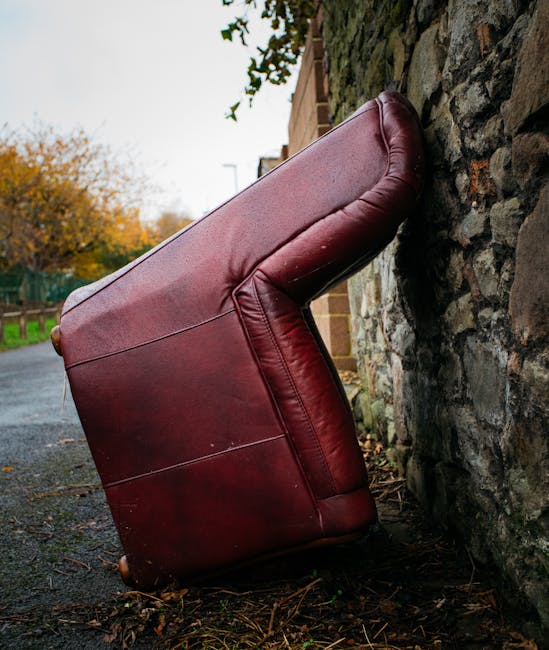
Getting rid of a sofa, freezer, bed frame, wardrobe, or other oversized household item is rarely as simple as "put it outside and hope for the best." In Cudham, bulky waste moves need a bit of planning, a sensible lifting approach, and the right collection method so you do not end up with damage, delays, or a half-blocked driveway at the worst possible time. This guide on Bulky Waste Moves in Cudham: Big Item Collection Tips walks you through the practical side of big item collection, from sorting and access checks to safe handling, recycling, and deciding when professional help is the smarter choice.
If you are clearing one item or several, the aim is the same: make the move easier, safer, and less wasteful. Truth be told, a bit of prep saves a lot of backache.
Why Bulky Waste Moves in Cudham: Big Item Collection Tips Matters
Bulky items create problems that normal rubbish never does. They are awkward, often heavy, sometimes fragile, and almost always difficult to manoeuvre through narrow hallways, tight porches, or a garden gate that seems to shrink by the minute. In a place like Cudham, where access can vary from property to property, that matters even more.
There is also the practical side. A bulky item left too long can get in the way of a move, a house clearance, or a refurbishment. If you are replacing a sofa, freezer, or mattress, the old one often has to go first. That is where planning big item collection properly becomes valuable. You clear space, reduce stress, and avoid accidental damage to floors, walls, and door frames.
And let's be honest: once a bulky item is half out of a room, you are committed. You do not want to discover the hallway bend is too tight after you have already removed the legs and lost patience.
Bulky waste moves also matter for sustainability. Items that can be reused, donated, or recycled should not end up as general rubbish if there is another route available. A little separation at the start usually leads to a cleaner, more responsible outcome later.
For people preparing a full home clear-out, this kind of planning fits neatly with broader moving tasks. If you are decluttering before a move, it can help to read practical decluttering advice before moving day and, if you are handling mixed household items, efficient packing tips for a home move can make the whole process less frantic.
How Bulky Waste Moves in Cudham: Big Item Collection Tips Works
At its simplest, bulky waste collection is about removing large items that do not fit normal household disposal. But in practice, it usually involves more than loading a van and driving off. The process often starts with identifying what the item is, whether it can be reused or recycled, how heavy it is, and whether it can be safely moved through the property without dismantling.
A sensible collection plan usually follows a sequence like this:
- Identify the item and check whether it is reusable, recyclable, or only suitable for disposal.
- Measure access points such as doorways, stair turns, hallways, and external gates.
- Prepare the item by removing drawers, shelves, legs, loose cables, or doors where appropriate.
- Protect the route using blankets, floor covers, or corner protection if needed.
- Move using the right technique rather than trying to muscle through an awkward corner.
- Load securely so the item does not shift or crack during transport.
- Sort for final destination such as reuse, donation, recycling, or disposal.
That sounds simple enough, but the tricky part is usually access. A bulky item may be fine in the open, then become a problem at the first stair landing. This is where careful planning beats rushing. One person holding a door open while another tilts a wardrobe can be the difference between a smooth job and a loud bang followed by a very awkward pause.
If you are dealing with especially awkward or heavy items, it helps to understand body mechanics too. The principles explained in kinetic lifting techniques and solo lifting methods for heavy objects can be useful, though for genuinely large items, two-person handling is often safer.
In many cases, big item collection is best treated like a mini removal job. That is why services focused on removals in Cudham or a flexible man and van in Cudham approach can be a practical fit when the item is too large for a car but not large enough to need a full lorry.
Key Benefits and Practical Advantages
When done properly, bulky waste collection is about far more than "getting rid of stuff." It creates order, saves time, and prevents a cascade of little problems that can eat up a whole afternoon.
- Less physical strain - large furniture and appliances are hard work, especially on stairs or uneven ground.
- Lower risk of damage - careful handling protects walls, bannisters, doors, and the item itself.
- Faster room clearance - ideal if you are preparing for redecorating, storage, or a move.
- Better sorting decisions - reuse, recycle, or dispose in a more responsible way.
- Cleaner logistics - fewer last-minute surprises on collection day.
- More predictable costs - clear items and clear access usually mean a clearer quote.
There is also a mental benefit people underestimate. A room that has been dominated by an old freezer, mattress, or broken cabinet for weeks can feel oddly heavy, even before you lift anything. Once it is gone, the space opens up. You can move again, think again. Bit dramatic, maybe, but true.
If your bulky item is part of a larger furniture move, it may be worth looking at furniture removals in Cudham as a broader option, especially when you have a sofa, bed, or wardrobe that needs dismantling and careful loading. For soft furnishings in storage or transition, you may also find sofa storage advice and bed and mattress moving guidance useful.
Who This Is For and When It Makes Sense
Bulky waste moves are useful for a lot of different people, not just households in the middle of a full clear-out. In fact, the need often shows up at inconvenient times, which is typical, really.
This approach makes sense if you are:
- moving house and need to remove old furniture before the van arrives
- replacing large items like beds, wardrobes, freezers, or sofas
- clearing a rental property at the end of a tenancy
- downsizing and need to reduce what will physically fit in the new place
- sorting a garage, loft, or outbuilding
- preparing a property for sale or letting
- handling leftover items after an office or shop changeover
It is especially relevant if the item is too large for your own vehicle, too awkward for one person, or too valuable to risk dragging across the floor. A decent rule of thumb: if you are already worrying about the lift before you start, you probably need a better plan.
For tenants and students in particular, timing matters. End-of-tenancy clearance can run close to move-out day, and big items always seem to be left until the last hour. If that sounds familiar, student removals may be a helpful reference point for planning a lighter, faster exit. If you are moving from a flat with tight stairs or limited storage, flat removals in Cudham can be useful context too.
Step-by-Step Guidance
Here is a practical way to handle a bulky waste move without making a mess of it.
1. Decide what stays and what goes
Before lifting anything, be ruthless. Ask whether the item is actually worth moving, repairing, storing, or selling. If not, let it go. This is where decluttering first pays off. One unnecessary item can create three unnecessary jobs.
2. Check condition and break-down options
Look for removable parts such as legs, shelves, drawers, cushions, glass tops, and cables. Dismantling often makes a huge difference, but only if you keep the fixings together in a labelled bag. Small detail. Big relief later.
3. Measure access points
Measure the widest part of the item and compare it with doors, stairs, and any turning points. In narrow Victorian-style entrances, tight Cudham access routes, or awkward side returns, this step is essential. For more locality-specific movement planning, narrow-access van tips for Cudham Lane North can be a helpful read.
4. Clear the route
Move shoes, rugs, lamps, pet bowls, and anything else that can become a trip hazard. Open doors fully. If possible, protect floors with covers or blankets. Bulky waste moves are messy enough without adding a chipped skirting board to the bill.
5. Lift with control, not speed
Keep the load close to your body, bend your knees, and move slowly. If the item shifts unexpectedly, stop. No heroics. If it feels like the item is winning, that is your cue to call time.
6. Load securely
The item should be strapped or braced in transit so it cannot slide. Softer items such as upholstered furniture benefit from protection to avoid scuffs and fabric damage. If the item is going into storage, protect it properly afterwards rather than just leaving it exposed.
7. Sort the end destination
Decide whether the item is going to reuse, recycling, donation, or disposal. If it is reusable, keep it clean and complete. If it is destined for recycling, separate any non-recyclable parts where practical.
When the move is happening the same day, speed matters even more. That is where same-day removals in Cudham can become the sensible fallback, especially if a council collection slot is not available in time. For broader move planning, stress-free moving advice can help you keep the rest of the day under control.
Expert Tips for Better Results
A few small habits make bulky waste work noticeably easier.
- Strip the item down before moving - removing doors, shelves, or loose cushions reduces both weight and snag points.
- Use two people for awkward shapes - even if the item is not huge, balance can be the real problem.
- Keep the route straight where possible - fewer turns means fewer chances to catch a corner.
- Protect the first and last contact points - door frames and stair edges take the most abuse.
- Plan the collection order - move the largest item first while energy is high.
- Think about weather - rain makes floors slippier, and wet cardboard or fabric is a nuisance to handle.
A more advanced tip: if you are collecting several items, load in reverse order of delivery. In plain English, the item you need first out should go in last. It sounds obvious, but people forget this constantly, and then spend ten minutes wrestling out a mattress just to reach a lamp.
If you are trying to recycle instead of dump, a sustainability-first approach helps. recycling and sustainability guidance is worth keeping in mind for items that still have a second life, and the article on donating or recycling furniture in an eco-friendly move is particularly relevant if your bulky waste includes good-condition items.
For especially heavy or odd-shaped pieces, understanding safe solo techniques for heavy objects can be useful, but honestly, if it takes a lot of thought, it is often better to have a second pair of hands.
Common Mistakes to Avoid
Most bulky waste problems come from rushing. The item is already in the way, so people want it gone quickly. That is understandable. It is also where things go wrong.
- Skipping measurements - guessing the item will fit often ends in an awkward half-turn and a scratched wall.
- Lifting without clearing the route - one small obstacle can cause a stumble.
- Not dismantling enough - a wardrobe with fixed shelves is much harder to handle than it looks.
- Overloading one person - if it is heavy or bulky, ask for help.
- Ignoring disposal rules - not every item can go in general waste, and mixing it up can create avoidable hassle.
- Forgetting the final destination - "we'll sort it later" usually becomes "why is it still here?"
Another common issue is planning the collection around the ideal van, not the real access. A vehicle may be fine on paper but useless if there is nowhere safe to load. Local route planning matters, particularly around tighter roads and parking restrictions. For example, the pieces on parking rules on Cudham Lane South and loading and parking near Cudham Village Hall show how practical access can shape the whole move.
If the item is sentimental, people also tend to over-handle it. Weirdly, the more emotional the object, the more likely someone is to carry it like a porcelain egg. Fair enough, but a calm plan is still better than panic.
Tools, Resources and Recommendations
You do not need a warehouse full of equipment to handle bulky waste properly, but a few basics make the task much safer.
| Tool or resource | Why it helps | Best for |
|---|---|---|
| Furniture blankets | Protects surfaces and reduces scuffs | Soft furnishings, wardrobes, tables |
| Straps or tie-downs | Keeps items secure in transit | Fridges, cabinets, large boxes |
| Dolly or sack truck | Reduces manual carrying | Appliances, boxes, solid furniture |
| Gloves with grip | Improves hold and hand protection | Most bulky item handling |
| Floor protection | Prevents scratches and marks | Hallways, stairs, wooden floors |
| Labelled bags for fixings | Stops lost screws and fittings | Items being dismantled |
If your bulky item is an appliance, you should also think about how it has been stored or prepared before move day. A freezer, for instance, needs defrosting and drying before storage or relocation. That is covered in this freezer storage guide. Likewise, if you are moving delicate or awkward furniture into temporary storage, storage in Cudham can be useful when the timing does not line up neatly.
For customers comparing transport options, it may also help to review man with a van in Cudham, removal van options, or broader removal services in Cudham depending on item size and urgency.
Law, Compliance, Standards, or Best Practice
When bulky waste is being removed, the main thing is to stay within normal UK waste-handling expectations and local collection rules. You do not need to turn it into a legal thesis, but you do need to avoid fly-tipping, unsafe lifting, and careless disposal. That much is non-negotiable.
Best practice usually means:
- using a legitimate collection or disposal route
- separating reusable items from broken waste where possible
- not leaving items where they could obstruct pavements, driveways, or vehicle access
- handling electrical appliances carefully so they are not damaged or left unsafe
- checking whether the item contains materials that need special treatment
It is also wise to keep some basic records if you are dealing with a job for a landlord, tenant, business, or property manager. Photos before and after can prevent later confusion. Not glamorous, but very helpful.
For peace of mind on process and handling, see the site's health and safety policy and insurance and safety information. If you are weighing providers, the terms and conditions and pricing and quotes pages are also sensible places to review before booking anything.
For larger house or office clearances, it may be useful to look at house removals in Cudham or office removals in Cudham if your bulky waste is part of a wider relocation.
Options, Methods, or Comparison Table
Different bulky waste jobs call for different approaches. The right choice depends on access, quantity, urgency, and how much you want to do yourself.
| Method | Best for | Pros | Limits |
|---|---|---|---|
| Self-managed removal | Small, manageable items | Low cost, full control | Heavy lifting, transport, disposal research |
| Man and van support | Single items or a few large pieces | Flexible, quicker than DIY, easier loading | May still require preparation and access planning |
| Full removal service | Multiple bulky items or full clear-outs | Less stress, more hands, better handling | Usually higher cost than DIY |
| Storage first, disposal later | Items you may reuse or pass on | Buys time, avoids rushed decisions | Needs extra space and organisation |
If you are still deciding, ask one simple question: do I want to spend my own time solving the lift, the vehicle, the route, and the disposal? If the answer is no, that points you toward a managed option. If the answer is yes, fair enough, but be realistic about the weight and access.
Some people also compare bulky item removal to full-home clear-outs and notice that the cheapest option is not always the easiest. The article on cost differences between Cudham removals and Orpington moves gives useful perspective if budget is part of your decision.

Case Study or Real-World Example
A typical Cudham scenario might look like this: a family is replacing a large corner sofa, a freezer, and an old chest of drawers before new flooring is installed. The items are all different, but the real challenge is the same-how to get them out without damaging the house or delaying the work.
In a case like that, the family would usually start the day by clearing the hallway and measuring the front door, the narrow internal turn, and the path to the vehicle. The freezer would be defrosted and dried in advance, the sofa legs removed, and the drawers emptied so the furniture was lighter and safer to carry. The chest of drawers might be wrapped to stop the veneer from chipping on the stair edge. Nothing fancy. Just disciplined prep.
What made the biggest difference was not brute force but sequence. The team moved the freezer first while energy was fresh and the route was still clean. Then came the sofa, which needed two people and a slow tilt through the doorway. The chest of drawers followed. By the time the final item was loaded, the house was clear, the flooring team could start, and nobody had a sore wrist from trying to be a hero.
That is the real lesson with bulky waste: preparation often matters more than strength. A good plan turns a frustrating job into a manageable one. Not always easy, but manageable.
Practical Checklist
Use this checklist before collection day:
- Identify each bulky item and confirm whether it is being reused, recycled, donated, or disposed of
- Measure the item and the access route
- Remove loose parts, drawers, cables, and fittings
- Label fixings in a small bag or envelope
- Clear hallways, stairs, porches, and driveway space
- Protect floors, corners, and door frames
- Arrange enough help for the size and weight of the item
- Prepare any appliance for safe movement and transport
- Decide the loading order in advance
- Keep the collection or removal route free of trip hazards
- Check whether storage is needed before the item reaches its final destination
- Take before-and-after photos if the item is part of a tenancy, sale, or business clearance
If you are juggling bulky waste alongside packing, it can help to revisit house cleaning before moving out so the final empty space is actually ready to hand back. Small thing, big difference.
Get a free quote today and see how much you can save.
Conclusion
Bulky waste moves in Cudham are easiest when you treat them like a proper job, not an afterthought. Measure first, clear the route, dismantle what you can, and choose the right collection method for the item in front of you. That approach protects your home, your back, and your schedule.
Whether you are moving out, making room for something new, or simply reclaiming a corner of the house that has been cluttered for too long, the same principles apply: plan calmly, lift carefully, and do not be afraid to ask for help when the item is bigger than the plan. A well-handled bulky waste move is one of those tasks that feels much smaller once it is done, and much heavier if you leave it too late.
And honestly, once the old item is gone and the room feels open again, you notice it straight away. That fresh, clear-space feeling never gets old.